Mobile Crane Service
Owner-Operated Crane Service in Lake Havasu City
3 min readUpdated July 2026
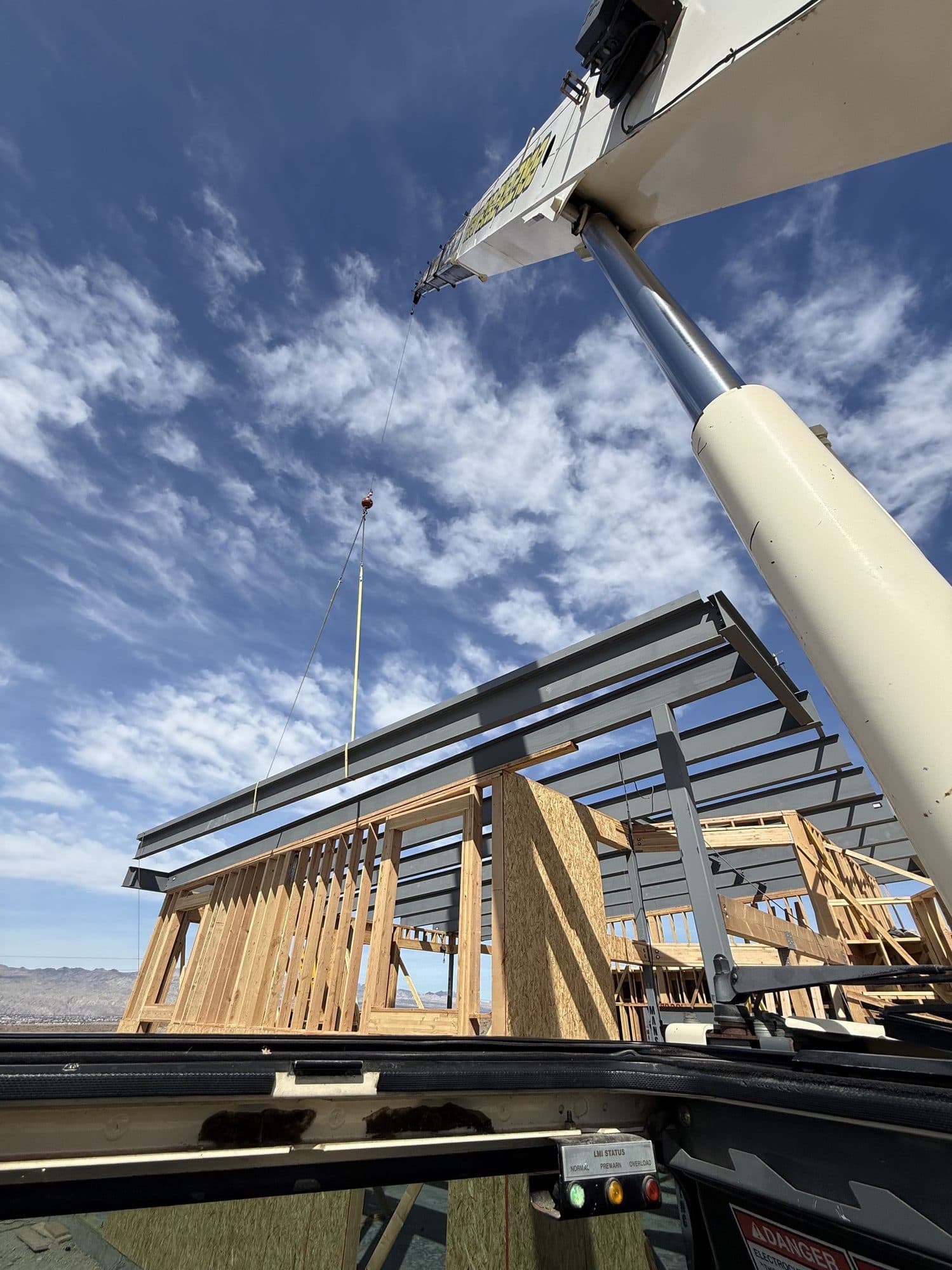
Owner-operated crane service means the person who answers the phone is the person who runs the crane. At HCW Crane Service the owner takes the call, walks the site, plans the lift, and operates the machine. There is no dispatcher in the middle and no rotating pool of operators who arrive without context.
Owner Devan Decastro is NCCCO certified: Telescopic Boom Crane, Swing Cab (TLL). CCO ID 444146986.Verify on NCCCO(opens verifycco.org in a new tab)
One Person Is Accountable for the Lift
On a lot of crane calls, the person you describe the job to and the person who shows up are three steps apart. You explain the access, the office writes a line on a ticket, and the operator arrives knowing an address and a time. Then everything you explained gets rediscovered in the driveway.
Here it is one person. The site notes live in the head of the guy who is going to set the outriggers. When something on site does not match what was described, the person who can change the plan is already standing there, not on the other end of a phone call to an office that closed at five.
That also means one throat to choke, which is the honest version. If the lift goes sideways, there is nobody to point at. That tends to make the planning more careful, because the operator eats the consequences of his own shortcuts.
It cuts the other way as well. When a customer has a question two weeks later about how something was set or why we did it a particular way, the person who can answer it is the same person who did it. Nothing has to be looked up or reconstructed from a ticket.
What Changes on Site
Decisions get made in the moment instead of escalated. If the ground under the left front outrigger looks wrong, the pick stops and we crib it up. Nobody has to call in to ask whether the extra twenty minutes is approved.
There is also no reluctance to say no. An operator working someone else's schedule feels pressure to make the pick happen. When you own the truck, walking away from a lift that is not safe today costs you one job, and forcing it costs you a lot more than that.
Local knowledge stacks up too. Which streets in the older neighborhoods will not take a full outrigger spread, which subdivisions have low service drops running across the back of the lots, which commercial lots have a soft asphalt patch that will dent in August heat. That is not on a map.
Owner Operated Is Not the Same as Renting a Crane
A bare rental hands you a machine and the responsibility that comes with it. You supply the operator, you supply the rigging, and the lift plan is yours. If a sling is wrong or a load chart gets misread, that sits with you.
Owner-operated is the opposite arrangement. The crane arrives with the person who runs it, the rigging on the deck, and the plan already worked out. Your job is to tell us the truth about the load and to have somebody ready to receive it.
For most homeowners and most small contractors, that is simply the practical option. Very few crews carry a qualified crane operator, and fewer carry the rigging inventory a varied pick list actually needs.
Scheduling With a Single Crew
One truck and one operator means we do not double book and then reshuffle you. If we say Tuesday at seven, that slot is yours. If a job ahead of you runs long, you get a call before your crew is standing in a driveway wondering where the crane is.
It also means we are honest about capacity. In a busy framing week we will tell you the first real opening rather than pencil you in and hope. Emergency and after-hours work is different. The phone is answered around the clock and a genuine breakdown gets moved to the front.
The one real limit of a single-crew operation is a job that needs two cranes at once. That is not work we can cover, and we will say so straight away rather than take a booking and figure it out later. For everything a single machine can do, one crew is usually an advantage rather than a constraint.
How the job runs
Our Process
Step 1: You Talk to the Operator
First call goes to the person who will run the crane. Load, weight, access, timing. Nothing gets relayed through a third party or written on a ticket that loses half the detail.
Step 2: Site Walk by the Same Person
On anything unusual we come look. The operator stands in the setup spot, sights the flight path, checks the ground, and measures the radius. What he sees is what he plans against.
Step 3: Plan Confirmed Before the Day
You get told what machine is coming, what we need cleared, roughly how long we will be on site, and what could change the plan. If something on the list is a problem, we sort it before the truck rolls.
Step 4: The Lift
Setup, rigging, and the pick, run by the operator who planned it. If conditions on the day differ from the plan, he adjusts on the spot and tells you what changed and why.
Step 5: Walk the Site Before Leaving
Load seated, rigging off, outriggers up, and a walk with you to confirm nothing was left, marked, or missed. Questions go to the same person, not a message center.
Scope
What Is Included
- The owner on the phone, on the site walk, and on the controls
- One point of contact from first call through final walkthrough
- Rigging supplied and selected by the operator running the lift
- Honest scheduling with a call ahead if anything slips
- Local knowledge of Havasu streets, soils, and service drops
- Willingness to stop a lift that conditions have turned against
Real HCW jobs
From the Job Site
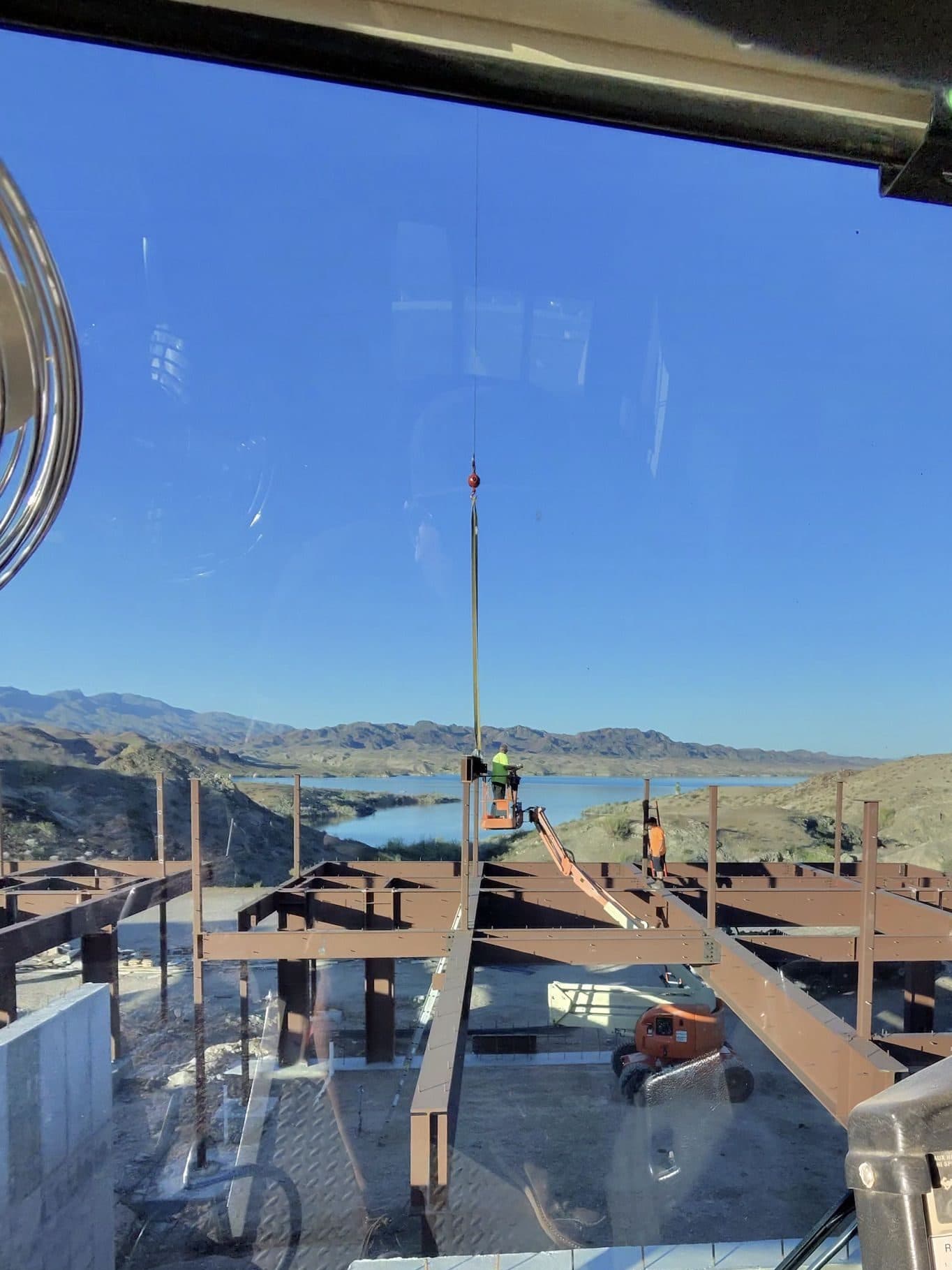
Steel framing above the lake 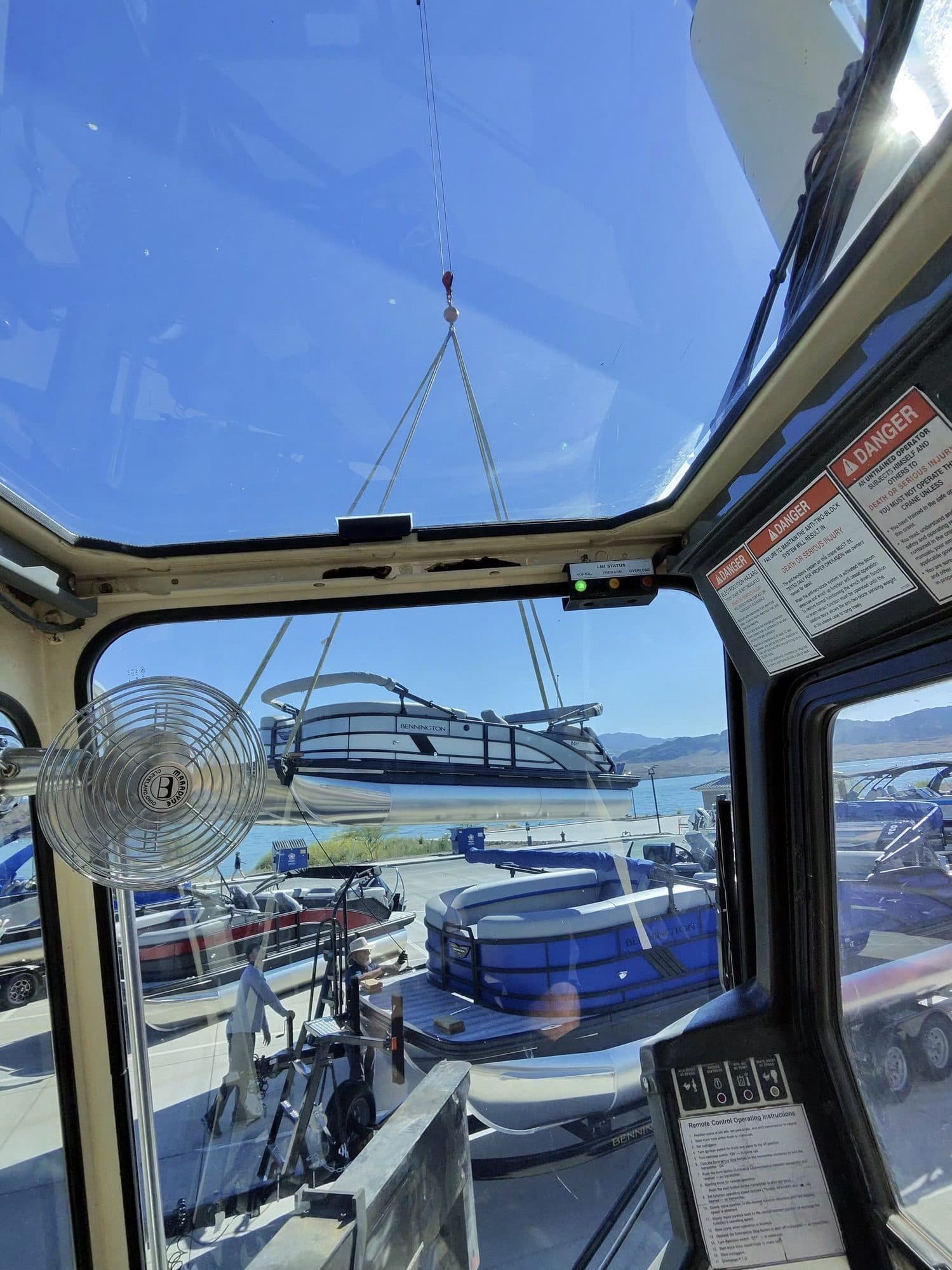
Pontoon lifted at a lakeside lot 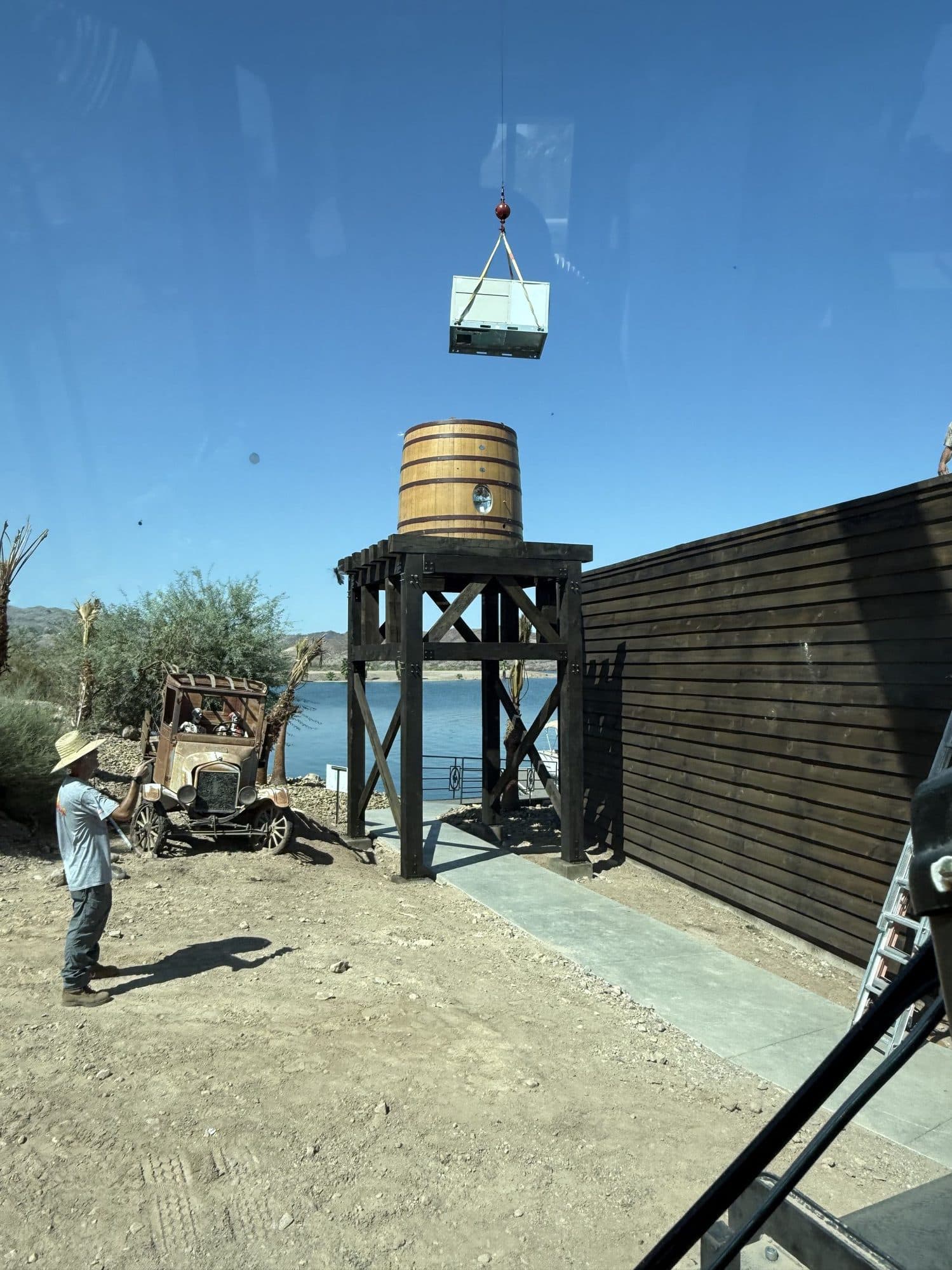
Lakeside lift seen from the cab 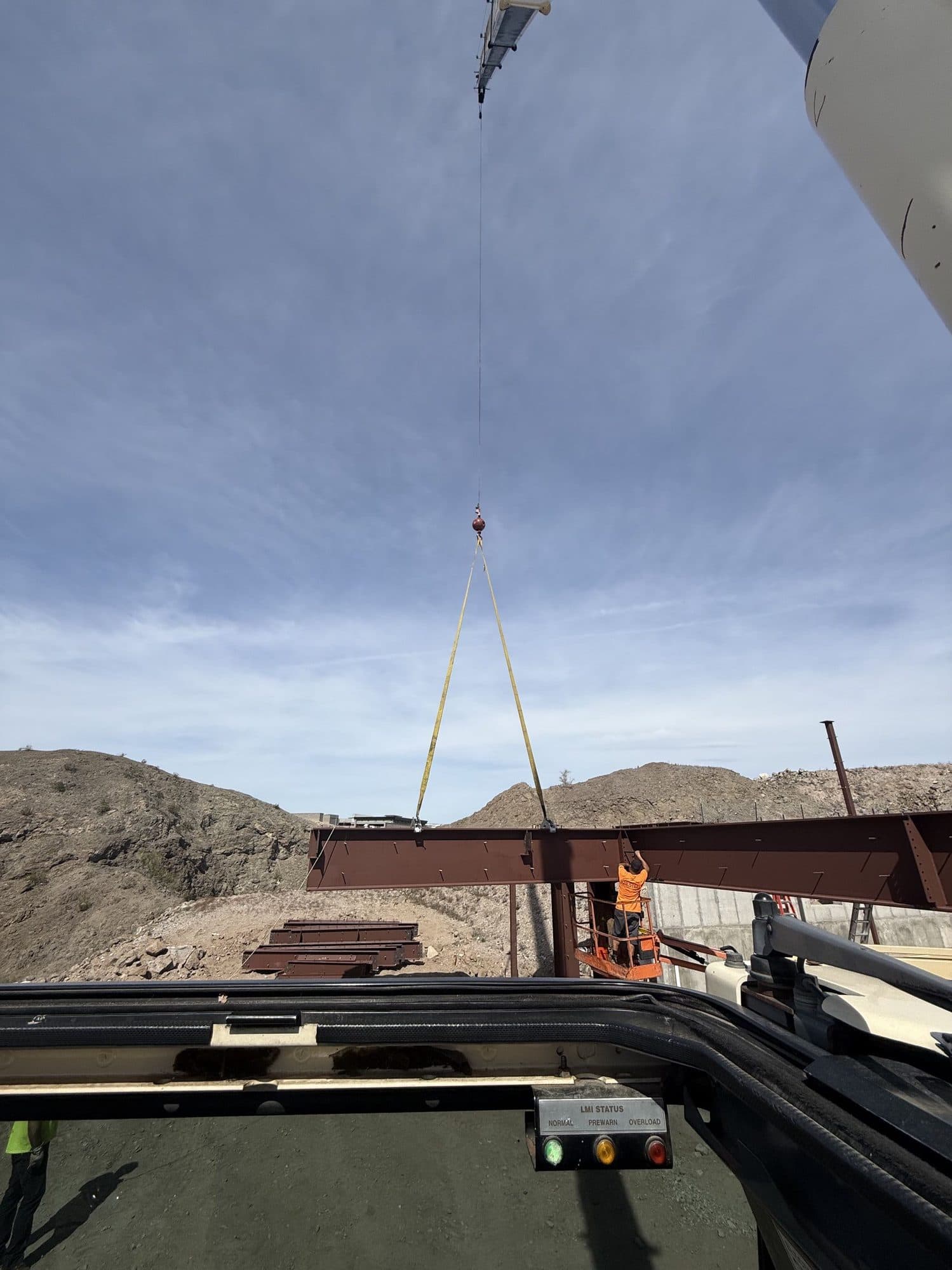
Guiding a beam from the cab
Answers
Frequently Asked Questions
Do I get the same operator every time?
Yes. That is the point of owner operated. On a repeat commercial account it means the site notes carry over, so the second visit is faster than the first.
Who is responsible if something is not right on site?
The operator is standing there and he owns it. There is no escalation chain. If the ground, the wind, or the weight is not what we planned for, he stops the lift and we work out the fix on the spot.
Is owner operated slower than a big fleet company?
For scheduling a large multi-crane job, a fleet has more machines. For a single pick, owner operated is usually faster, because the planning already happened on the phone with the person driving the truck.
Can I still get service after hours?
Yes. The phone is answered 24 hours. After-hours work is common for mechanical failures and for lifts that have to happen while a business is closed.
Who actually runs the crane?
The owner. The person who answers the phone and looks at your site is the person who sets the outriggers and runs the lift. There is no dispatcher and no hired driver in between.
Related Services
- Crane With OperatorEvery crane goes out with an operator and the rigging to do the job. Here is exactly who does what on site, and what your crew is responsible for.
- Mobile Crane Service22-ton and 40-ton boom trucks with an operator on every call, reaching up to 142 feet.
- 22-Ton Crane ServiceOur 22-ton boom truck is the tight-street machine. Smaller setup footprint, quicker to place, and the right call for most single-story residential lifts.
- Crane With OperatorEvery crane goes out with an operator and the rigging to do the job. Here is exactly who does what on site, and what your crew is responsible for.
- 22-Ton Crane ServiceOur 22-ton boom truck is the tight-street machine. Smaller setup footprint, quicker to place, and the right call for most single-story residential lifts.
- 40-Ton Crane ServiceOur 40-ton boom truck reaches up to 142 feet and holds weight far out from the truck. The machine for two-story picks and deep commercial roofs.
- Hydraulic Crane ServiceBoth of our boom trucks are hydraulic. Smooth metered control, fast setup, and no assembly. Here is what that means for your lift and for desert heat.
- Telescopic Crane ServiceTelescopic boom trucks extend the boom in sections, so capacity changes with every foot you pull out. Here is how we plan a pick around that.
Ready to schedule your lift?
Tell us the load, the site and the timing. We will confirm capacity, access and a window.